Equipment List
Aconcagua Expeditions: Aconcagua 12 Day, Ameghino Valley, Polish Glacier* and Normal Routes needs this equipment list (Polish Glacier requires additional equipment.
Download a printable version of this list (.pdf)
Learn More about our Aconcagua Expeditions FEET Collapse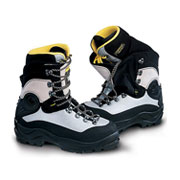
- Socks; 3 pair thick outer socks, synthetic or wool, 3 pair thin inner liner socks, silk, synthetic, or wool (combo of 1 pr thick & 1 pr thin or 2 pair thick & 1 pr thin), AND 2 pair lightweight silk, synthetic, or wool socks (for approach hike)
- Duoble Mountaineering boots for above Base Camp, NOT SINGLE BOOTS
- Lightweight hiking boots or sturdy approach shoes for hike to Base Camp
- Gaitors (for scree, goretex type work well – NOT overboots)
- One pair velcro-strapped rubber sole sandals (such as tevas or chacos) OR tennis/running shoes for river crossings
- Lightweight running shoes for hike out last day (can also be used for river crossings on approach hike)
- Booties, optional but highly recommended – lightweight down or synthetic with cordura soles
- Lightweight synthetic or merino wool long underwear tops – 2
- Expedition heavy weight synthetic or merino wool long underwear top – 1 (or 2 midweight long underwear tops)
- Fleece or Soft Shell jacket (or similar weight synthetic or down micro-puff jacket)
- Breathable windproof and water-resistant outer jacket, such as goretex, with hood
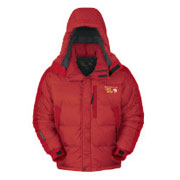
- Heavyweight down or synthetic expedition parka with insulated hood (-20 F)
- Synthetic t-shirts for approach – 2
- Lightweight, breathable, long sleeved shirt for sun-protection on approach hike
- Synthetic or nylon briefs or underwear – 3 pair
- Lightweight synthetic or merino wool long underwear bottoms – 1 pair
- Expedition heavy weight synthetic or merino wool long underwear bottoms – 1 pair
- Soft shell synthetic pants for mid mountain – 1 pair (optional)
- Fleece pants (full length side zippers recommended) for camp & summit day – medium or heavy weight
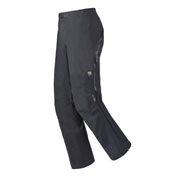
- Breathable windproof and water resistant pants such as Goretex (full length side zippers recommended)
- Shorts – 1 pair for approach hike
- Lightweight synthetic breathable pants for sun protection on approach hike
- 1 pair thin wool or synthetic gloves – for lower mountain (windstopper, capilene, fleece, polypro, merino wool)
- 1 pair insulated, windproof, and water resistant fingered gloves, such as ski gloves, with longer cuff for upper mountain
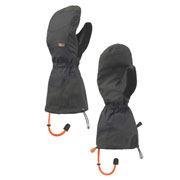
- 1 pair heavy insulated mitts for summit day
- OR substitute for insulated mitts above: a combination of 2 pair mitts (fleece, or wool Dachstein) to fit one inside the other with room AND 1 pair Goretex wind shells to wear over mitts
- Ski hat, wool or fleece
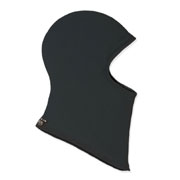
- Balaclava, wool, fleece, capilene or merino wool
- Baseball cap for sun
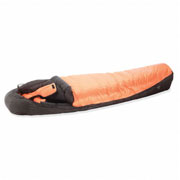
- Down or synthetic sleeping bag rated to -20 ºF with compression stuff sack
- 1 closed cell foam pad and/or 1 inflatable thermarest pad (full length). BOTH recommended
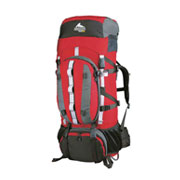
- Expedition Backpack, 5000 – 6000 cubic inch / 80-100 liter capacity (not needed if you hire porters)
- Day and a half pack for approach, approx 2000 – 3000 cubic inch / 30-50 liter capacity
- Extra large strong duffel bag w/ LOCK (about 7000 cubic inches/140 liter). THIS IS YOUR MULE BAG. Must be able to fit all expedition gear & double boots in this bag for mule to carry on approach
- 1 stuff sack w/ straps or lightweight daypack (15 liter) to use as daypack for hike out (If the top of expedition pack is a removable fanny pack this can be used as well)
- Combination lock for duffel left in BC (TSA approved so airport security can open it)
- Ice axe 70 cm. approx. Standing with arm relaxed at side, ice axe should reach from the palm of hand to the ground. For Polish Glacier Route it can be 5-10 cm shorter (60-65 cm)
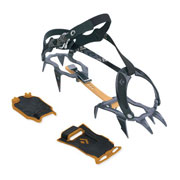
- Crampons, 12 points non-rigid recommended. For Polish Glacier Route: rigid OK
- Ski poles or sturdy trekking poles – adjustable preferred
- Crampon bag for plane flight and mule load
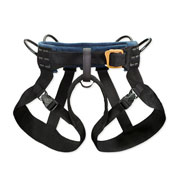
- Climbing harness, to fit comfortably over bulky clothing
- Carabiners, 6 regular, 2 locking
- 1 ascender
- 30 feet of 6mm perlon rope (for rigging your ice axe, ascender and harness)
- Shorter ice axe – 60 to 65 cm (in place of longer ice axe used on other routes)
- Climbing helmet
- Non-breakable plastic bowl, LARGE insulated cup w/ lid, durable spoon & fork – NOT PROVIDED
- 2 water bottles -1 liter capacity, wide-mouth (hard plastic)
- 2 water bottle insulators (make sure they fit your water bottles)
- Headlamp and extra batteries
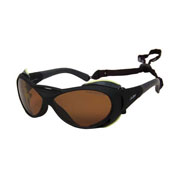
- Sunglasses – two pair (optional one as a spare)
- Ski goggles for summit day & stormy weather
- Sunscreen lotion SPF 30 or higher – 1 large or 2 small tubes (zinc oxide also recommended)
- Sun screen lip protection – 1 stick / & 1 or 2 tubes chapstick for dry lips
- Skin moisturizer – 3 oz.
- Personal supply of mole skin, band aids, tape, second skin, throat lozenges
- Pocketknife or Leatherman
- Toothbrush and toothpaste
- Disposable lighter (always useful on a mountaineering expedition!)
- Stuff sacks 2-3, assorted sizes (also bring a compression sack to use as daypack on hike out)
- Iodine or similar water purification tablets or water purification filter for approach
- Luggage name tags to label bags stored at Hyatt in Mendoza
- Camera, batteries, small solar charger, Smart phone
- Plug adaptor for hotels
- Journal, pen/pencil, book, games, i-pod
- Small towel and soap, baby wipes, foot powder (wet wipes are very handy)__ Cotton bandana or buff for sun protection
- Pee bottle -1 liter capacity, wide mouth, plastic nalgene-type bottle with lid (HIGHLY RECOMMENDED for upper mountain, label w/permanent marker)
- Antibiotics – 1 cycle broad spectrum (for wound or respiratory infections)
- Aspirin or Ibuprofen
- 1 lightweight, metal, mini thermos, 1/2- 3/4 liter capacity, HIGHLY RECOMMENDED for summit day
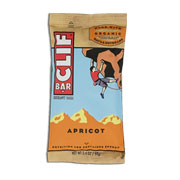
- Your favorite energy bars (we provide full lunches), in original package for customs
- 2 large plastic garbage bags to use in sleeping bag stuff sack
- Neoprene or windstopper facemask (for cold summit day), neck gaitor, buff
- Straps for outside of pack to carry crampons, sleeping pad, etc. (essential if pack is smaller)
- Chemical hand warmers 2 pr – pack out with personal garbage
Download a printable version of this list (.pdf)
Packing Tips
This information can help clarify questions that you have and help in the preparation of your gear before the expedition.Concerning Gear Check: From my experience of gear check at the start of my Aconcagua expeditions, I feel some additional information would be beneficial when preparing your equipment before arriving to Mendoza. I would like to give you an idea of what happens with your bags and equipment during the Traverse Expedition. To do this I need to explain in more detail our itinerary, where you may leave extra equipment and also when you will see it again.
First, after the gear check in Mendoza, you need to organize your bags and equipment. Anything that you do not need until your arrival back to Mendoza, may be stored there in the hotel for the duration of the expedition as we will return for one night’s accommodation at the trips end. You need to pack your duffle bag ready for the mules at Penitentes. If this is prepared before you arrive to Penitentes, it is a great help to the guides. We need to weigh all the groups equipment that afternoon to order the mules for the next morning. You have the opportunity to take out toiletries etc that you may need that night and return them in the morning before the bags leave to be loaded on the mules. You also need to prepare your daypack for the walk in, which will include water bottles, sunscreen, sunglasses, warm clothes, Gore-tex, and the lunch that we will provide you in Penitentes. It is handy to have another bag that would include a fresh change of clothes for when you arrive back to Penitentes from the m ountain and perhaps a spare set of toiletries also. This bag may be stored in Penitentes until we return at the end of the expedition. Penitentes has a great storage place.
Each day, as we commence our trek to Base Camp, we will meet our duffle bags at our camp in the afternoon. We will re-pack our duffles in the morning ready for the mules and need only carry a daypack for the first three days until we arrive to our Base Camp. On the third day you will need to pack your river shoes in your daypack as this day we have some wet river crossings. We suggest neoprene river shoes rather than sandals as the water is extremely cold and can be often fast flowing with loose rocks under the surface which may not be visible.
Once we arrive to Base Camp the mules will leave all our equipment there and return back to Penitentes. We now start to organize the gear that we will take up and over the mountain to Plaza de Mulas, which is the Base Camp on the Normal Route. This is the last opportunity you will have to leave gear that is not essential, in your duffle bag, to stay at Base Camp, you could bring an extra book and walkman, for example, but after completing our first load carry to Camp 1, may decide to leave them as they are extra weight. The duffles left at Base Camp stay there until the entire group arrives at High Camp. In the case that someone may need to go down early, they have their gear, and also we have extra tents and food. Mules will then arrive to collect this equipment and take it back down to Pentitentes so you will not see it again until you arrive there at the end of the expedition. This is important information as you need to be self-sufficient with everything you will need to be carried with you until that time. As well as being prepared with your high altitude equipment, you need to remember that we traverse the mountain and on the last day have a 7 to 9 hour walk out from Plaza de Mulas Base Camp to the trailhead in Puente del Inca where we meet our transport to Penitentes. This walk has similar terrain as the walk in the Vacas Valley to Plaza Guanacos Base Camp, tracked terrain and also rocky riverbed. It is not advisable to wear your plastic mountaineering boots on this day as it is extremely uncomfortable and we may have very warm weather. As with the walk in, it is also not advisable to wear new shoes because of the blisters this causes. You need to bring with you, from Guanacos Base Camp, a pair of shoes for this day. We suggest the lighter the better as you need to carry them. A pair of light trainers would be ideal but be aware that if you are used to wearing trekking boots, they may be safer to walk out in but keep in mind the weight, it seems best to hike to Plaza Guanacos in your favorite hikking boots and have some very light trainers for the hike out leaving the heavier boots at base camp on the Guanacos side. Also as it can be warm, it is worth carrying your trekking pants and a t-shirt for this day. You will need to carry a water bottle, food, sunscreen, a polarfleece and Gore-tex for this last walk in case of bad weather. Often people use the lid of their pack as a fanny bag to carry these items or a stuff-sac. It is not worth carrying your heavy daypack over the mountain however if you have a light one, such as Go-lite, you may consider bringing if your pack lid is not removable. Also a mid size compressor stuff sack is great for this particular day, using 2 of the straps as back pack. It works well.
Once we arrive in Plaza de Mulas we organize our backpacks and group equipment to be taken out by the mules the next day. Your pack will be put inside a canvas bag to protect it and we group together our boots and tools separately. When we arrive to Penitentes after our trek, you will meet all this equipment as well as your dufflebags from Guanacos Base Camp and the items you left in storage there. We stay that evening in Penitentes and have transport to the hotel in Mendoza the next day.
I hope that this information can help clarify questions that you have and also help in the preparation of your gear before the expedition. Good luck organizing, and hope to see you in Mendoza soon.