Tag: Aconcagua

  • When is the best time to climb Aconcagua?

    When is the best time to climb Aconcagua?

    For those looking to climb Aconcagua, timing is everything. As the highest peak in the Western Hemisphere, Aconcagua presents unique challenges that are heavily influenced by seasonal changes. At Aventuras Patagonicas, we guide climbers to the summit under the safest and most favorable weather conditions possible. Understanding the best times to undertake this epic journey can make all the difference in your experience and success.

    Climbing Seasons: Understanding the Southern Hemisphere’s Summer

    Aconcagua is located in Argentina, which means it experiences seasons opposite those in the Northern Hemisphere. The ideal months to attempt to summit Aconcagua are from December to March, during the Southern Hemisphere’s summer. This period generally offers the most stable weather conditions, essential for a safe and enjoyable climb.

    Summer on Aconcagua, however, is markedly different from the balmy summers you might find elsewhere. Even during these warmer months, the weather on Aconcagua can be extremely variable and challenging.

    Weather Conditions from Basecamp to Summit

    The journey from basecamp to the summit of Aconcagua exposes climbers to a wide range of weather conditions. At basecamp on both sides of the mountain, the weather can be quite mild with temperatures comfortable enough for lightweight hiking gear during the day. However, as you ascend, temperatures can plummet, and the climate becomes more severe.

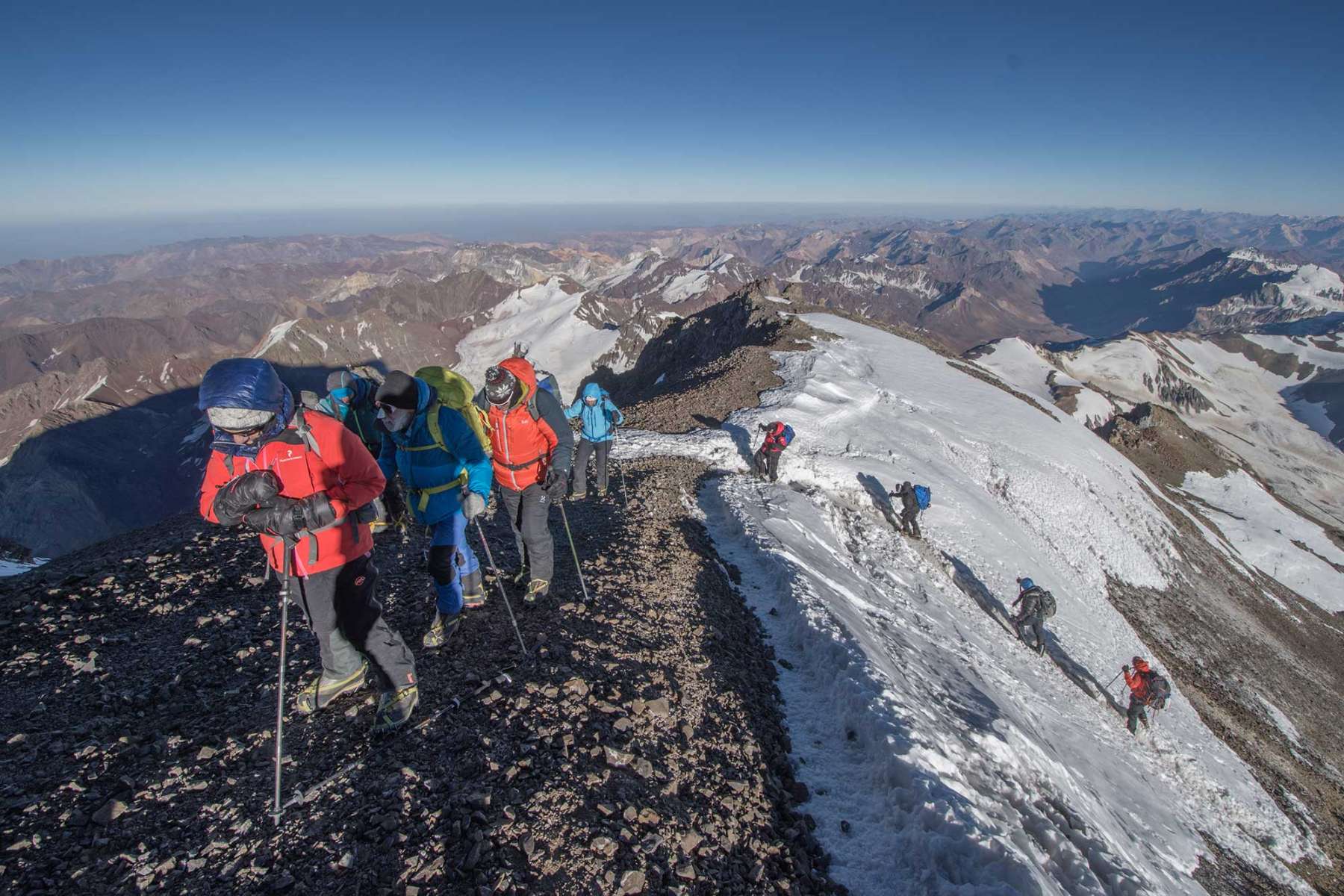
    The summit itself can be brutally cold with temperatures dropping as low as -30°C (-22°F), especially early in the morning or late at night. Wind speeds can also accelerate significantly, occasionally reaching over 100 km/h (60 mph), which adds an extra layer of challenge to the climb. When winds rise well beyond 70km/h (44 mph), we start to consider it unsafe to climb Aconcagua. Beyond 100 km/h, you start to get into the territory of hurricane-force winds, which we would strongly advise all climbers to avoid. Sections of the summit climb can be risky especially if one falls. We believe climbers must be prepared for extreme cold and potentially fierce winds as they approach the summit.

    The Best Possible Weather Conditions

    During the summer months, the weather is generally more favorable for climbing, with clearer skies and less precipitation. This is the time when you’re most likely to experience what could be termed ‘good’ weather on Aconcagua. However, even during this season, weather conditions can be unpredictable, and climbers must be prepared for sudden changes.

    Preparing for the Worst

    While the summer months offer the best opportunity for mild weather, they can also bring days of significant snowfall, whiteouts, and prolonged high winds. These conditions can halt your progress and, in some cases, require you to turn back if the weather becomes too dangerous. We emphasize the importance of flexibility in our climbing schedule to accommodate delays due to adverse weather, by having multiple buffer days to allow us to wait for the best weather window.

    Weather Windows: Key to Summit Success

    One of the most critical concepts in high-altitude mountaineering is the “weather window.” This term refers to a short period when the weather is stable enough to attempt a summit push. Identifying and taking advantage of these windows is crucial to a successful climb. Our experienced guides are skilled at interpreting weather patterns and forecasts to make the best judgment calls on when to push for the summit.

    Weather windows can appear and disappear quickly, and successful summit attempts hinge on being ready to move when the opportunity arises. This readiness involves having acclimatized adequately and being physically and mentally prepared to endure long, strenuous hours under potentially harsh conditions.

    Why Choose Aventuras Patagonicas?

    At Aventuras Patagonicas, we have 40 years of experience in guiding climbers to the summit of Aconcagua and identifying the most favorable conditions. Our expertise not only lies in our mountaineering skills but also in our ability to provide climbers with the safest, most enjoyable experience possible. We monitor the weather closely and make informed decisions that have led to a high success rate for our clients. 

    In 40 years of climbing on Aconcagua, we have not seen much statistical difference in success between climbing in December, January or February. However, the weather is often significantly worse with much fewer weather windows either side of the three month climbing season. This is why we only offer expedition dates with the opportunity to summit in December, January or February.

    We understand that deciding to climb Aconcagua is a significant commitment, both physically and financially. Being physically prepared for the expedition is just as important as choosing the right time to climb. By planning your climb during the optimal months and with a reliable guiding company like Aventuras Patagonicas, you maximize your chances of a successful and rewarding experience.

    Ready to embark on this incredible adventure? Check out our different Aconcagua expedition options to see how we can help you achieve your dream of standing on the top of the Americas. When you climb Aconcagua with us, your safety and success are our top priorities.

  • How to acclimate and train for an Aconcagua climb

    How to acclimate and train for an Aconcagua climb

    Embarking on an Aconcagua climb requires careful physical preparation and acclimatization to ensure success and safety on the mountain. At Aventuras Patagonicas, we provide expert guidance and proven strategies to help our clients prepare for the challenges of high-altitude climbing. Here’s how you can get ready for your ascent and how we support you in this exciting journey.

    Acclimatization: Key to Success on Aconcagua

    Acclimatization is critical when preparing for an Aconcagua climb. The altitude on Aconcagua, which can reach up to 6,961 meters (22,841 feet), can affect even the most experienced climbers. To mitigate the risks of altitude sickness and enhance your body’s adaptation to high elevations, we recommend a gradual acclimatization process.

    Aventuras Patagonicas schedules built-in acclimatization days during the expedition, involving climbs to higher altitudes followed by descents to sleep at lower elevations. This “climb high, sleep low” technique is one of the most effective methods for acclimatizing.

    Additionally, we encourage climbers to consider using a Hypoxico system at home to pre-acclimatize. This system allows you to simulate high-altitude conditions, reducing overall acclimatization time on the mountain. Using the Hypoxico system for 4-6 weeks before your Aconcagua climb can significantly enhance your body’s adaptation to altitude and increase your comfort and performance during the expedition.

    Using a Hypoxic Tent to pre-acclimatize

    One of the most powerful ways to ensure that you are fully acclimated before arriving on Aconcagua is to use a Hypoxic Tent at home for 4-6 weeks before your fly out to Argentina. A hypoxic tent, also known as an altitude tent, works by simulating the lower oxygen conditions of high altitudes. This helps prepare you for high-altitude climbs by allowing your body to adapt to reduced oxygen levels, a process known as pre-acclimatization. Here’s how it works:

    1. Oxygen Reduction: The tent uses a system to reduce the oxygen concentration in the air inside the tent. This is achieved through a machine that filters out oxygen, thereby mimicking the atmospheric conditions found at higher elevations.
    2. Sleeping Environment: We recommend that clients sleep within this tent for 4-6 weeks before a climb. The reduced oxygen environment forces the body to make physiological adaptations that are beneficial for high-altitude environments, such as increasing red blood cell count and improving the efficiency of oxygen usage by the body’s tissues.
    3. Gradual Acclimatization: Users typically start at a modest altitude and over a period of week gradually increase the simulated altitude in the tent as their body adapts. This gradual increase helps minimize altitude sickness when you are actually exposed to high-altitude conditions on a mountain.
    4. Benefits: The primary benefits of using a hypoxic tent include increased production of red blood cells, enhanced oxygen transport and delivery capabilities, and better overall acclimatization to high altitude conditions. These adaptations help reduce the risk of altitude sickness and improve performance at high elevations.

    By using a hypoxic tent, you can begin the acclimatization process at home, which can shorten the acclimatization period needed on mountains like Aconcagua and increase the safety and success of your climb.

    Physical Training for Aconcagua

    Training for Aconcagua is just as crucial as acclimatization. The physical demands of the climb require a well-rounded fitness regimen focused on endurance, strength, and altitude adaptation. Here are some exercises and training tips to prepare your body for the challenges of Aconcagua:

    Cardiovascular Training:

     Endurance is vital for long days on the mountain. Engage in activities like running, cycling, or swimming at least three to four times a week. Increase the duration and intensity gradually to boost your cardiovascular capacity.

    Strength Training: 

    Focus on building leg strength through weightlifting exercises such as squats, lunges, and leg presses. Core strength is also important, as it supports your body through uneven terrain and heavy pack carrying.

    Hiking: 

    Regular hiking, especially on hilly or mountainous terrain, is one of the best ways to prepare for the rigors of an Aconcagua climb. If possible, train with the backpack you intend to carry, progressively adding weight to simulate the load you will handle during the climb.

    Altitude Training: 

    In addition to using a Hypoxic Tent system, try to spend time at higher elevations if you live near mountainous areas to naturally acclimatize your body to lower oxygen levels.

    How Aventuras Patagonicas Supports Your Preparation

    At Aventuras Patagonicas, we understand the importance of thorough preparation. We provide detailed training programs and guidelines to all our clients, tailored to the specifics of the Aconcagua climb. Our experienced guides offer personalized advice based on your fitness level and climbing experience, ensuring that you are as prepared as possible when you arrive in Argentina.

    We also offer optional pre-climb acclimatization treks and workshops on technical skills, which are especially beneficial for routes like the Polish Glacier. These programs are designed to give you hands-on experience and confidence before you face Aconcagua.

    Ready for Your Adventure

    With the right preparation and support from Aventuras Patagonicas, you’ll be well-equipped to tackle the challenges of an Aconcagua climb. Whether you’re training for Aconcagua or utilizing advanced acclimatization techniques like the Hypoxico system, we are here to guide you every step of the way. Got questions? Contact us!

  • Mountaineering in South America – Top Destinations for Climbers

    Mountaineering in South America – Top Destinations for Climbers

    South America, a continent defined by its vast landscapes and dramatic peaks, is a paradise for mountaineers. With its diverse terrains and majestic mountains, it offers some of the most exhilarating climbing experiences in the world. Aventuras Patagonicas provides guided climbs to some of the most iconic peaks in this region. Whether you’re a seasoned climber or someone looking to elevate their climbing experience, mountaineering in South America offers both challenge and unparalleled beauty. Here’s a detailed look at the top destinations for mountaineering in South America that you can explore with us.

    ARGENTINA

    Aconcagua

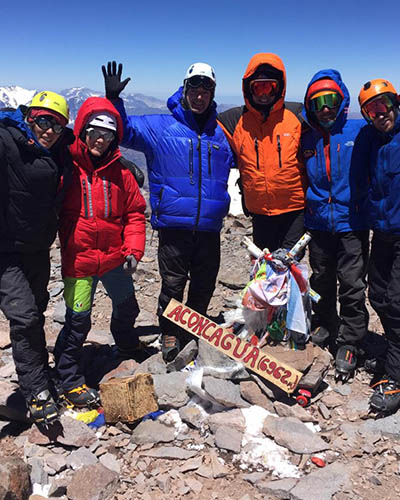
    Aconcagua, standing as a colossal peak at 6,961 meters (22,837 feet), is not only the highest mountain in South America but also the highest peak outside of Asia. Located in the Argentine Andes, Aconcagua is one of the Seven Summits and serves as a major goal for mountaineers from around the globe due to its formidable elevation and the challenges it presents.

    Climbing Aconcagua does not require technical mountaineering skills on its most popular routes, making it accessible to climbers with a strong physical condition and proper acclimatization. The Normal Route and the Polish Glacier Traverse Route are the most frequently climbed. The Normal Route offers a non-technical path that still demands a significant endurance challenge, involving long trekking days and battling the harsh high-altitude weather. In contrast, the Polish Glacier Route provides a more technical climbing experience, requiring proficiency in ice climbing and navigating crevassed glaciers.

    The environment around Aconcagua is stark and dramatic, featuring rugged landscapes and vast horizons that stretch across the Andes. Climbers on Aconcagua face not only physical challenges but also the mental demands of coping with extreme altitudes and the potential for rapid weather changes. The summit offers awe-inspiring views across Argentina and into Chile, making reaching the top a truly rewarding experience. For many, climbing Aconcagua is a life-changing adventure, pushing climbers to their limits while immersing them in the natural beauty and sheer scale of the Andes. Aventuras Patagonicas offers clients the opportunity to climb Aconcagua via multiple routes including the Ameghino Valley Route, the Normal Route, the Normal Route in 12 Days, the Normal Route in 12 Days with Oxygen, and the Polish Glacier Direct Route with Traverse

    CHILE/ARGENTINA

    Ojos del Salado

    Ojos del Salado, towering at 6,893 meters (22,615 feet), holds the title as the highest active volcano in the world and the second highest peak in the Western Hemisphere, situated on the Chile-Argentina border. This colossal volcano is a magnet for climbers who are drawn not only to its extreme altitude but also to its unique volcanic characteristics.

    The climb to Ojos del Salado is as intriguing as it is challenging, combining vast, arid landscapes with the complexities of high-altitude mountaineering. The ascent typically involves a combination of rough, rocky terrain and extensive snow and ice near the summit. Climbers are often required to navigate volcanic ash slopes, loose scree, and frozen penitentes, which are sharp ice formations that add an additional layer of difficulty as one approaches the summit.

    Adding to the allure of Ojos del Salado is the presence of the world’s highest permanent body of water, a crater lake near the summit at approximately 6,390 meters (20,965 feet). The final push to the summit involves a mix of trekking and technical climbing, often requiring the use of fixed ropes and ice axes. The summit offers extraordinary views of the surrounding desert plateau and a myriad of other volcanic peaks. For those looking to test their limits in a truly unique and remote high-altitude environment, Ojos del Salado is an unmatched destination in the realm of mountaineering in South America. Aventuras Patagonicas offers clients the opportunity to climb Ojos Del Salado as a standalone expedition.

    Tupungato Volcano

    Tupungato Volcano, standing majestically at about 6,570 meters (21,555 feet), is one of the highest peaks in the Southern Andes, straddling the border between Chile and Argentina. This colossal stratovolcano offers a remote and exhilarating mountaineering experience, attracting those who seek solitude and a substantial challenge away from more crowded peaks.

    The ascent of Tupungato is a demanding endeavor, often requiring a long approach through varied terrain that includes vast moraines and expansive glaciers. The climb typically involves several days of trekking to reach base camp, followed by technical climbing that demands proficiency in glacier travel and high-altitude acclimatization. The summit rewards climbers with breathtaking views of the surrounding Andean ranges and a profound sense of accomplishment. Due to its height and isolated location, Tupungato is recommended for experienced mountaineers looking for a less traveled yet challenging mountain in South America. Aventuras Patagonicas offers clients the opportunity to climb Tupungato Volcano as a standalone expedition.

    CHILE

    Nevado Juncal

    Nevado Juncal, standing at 6,110 meters (20,046 feet), is a lesser-known but equally captivating peak located in the Andes of central Chile. This mountain is a part of the Juncal Massif and offers climbers a true adventure due to its remote location and challenging climbs. It attracts those who seek quieter, more solitary mountaineering in South America, away from the more frequented paths.

    The climb to Nevado Juncal involves a combination of technical ice and snow routes, requiring climbers to be well-versed in advanced alpine climbing techniques. The approach through the Juncal Valley is both stunning and demanding, featuring rugged terrain that includes vast glaciers and sharp, icy ridges. Climbers must navigate through complex crevasse fields, making route finding and glacier travel skills essential for a successful ascent.

    The summit of Nevado Juncal provides breathtaking panoramic views of the Central Andes, including nearby peaks and expansive glaciers. The isolation of the area ensures that climbers experience a profound connection with the natural environment, making each summit attempt a rewarding and memorable adventure. For mountaineers looking for a challenging and less trodden peak in Chile, Nevado Juncal offers an exceptional high-altitude experience, combining technical difficulty with the serene beauty of untouched landscapes. Aventuras Patagonicas offers clients the opportunity to climb Nevado Juncal as a standalone expedition.

    La Paloma

    La Paloma, standing at 4,860 meters (15,945 feet), is a notable peak in the Central Andes near Santiago, Chile. It is an ideal destination for climbers looking to experience the beauty and challenges of the mountaineering in South America without venturing into extreme altitudes. La Paloma offers a variety of routes that cater to both novice and experienced climbers, providing a versatile climbing experience.

    The ascent typically involves moderate snow and glacier travel, which requires basic knowledge of alpine climbing techniques. The approach to La Paloma includes a scenic trek through diverse landscapes, featuring lush forests and pristine lakes, which gradually give way to more rugged terrain as altitude increases. This climb is particularly popular among those based in or near Santiago, offering an accessible yet rewarding adventure over a weekend or a short holiday.

    Summiting La Paloma provides climbers with breathtaking panoramic views of the surrounding Andean peaks and valleys. Its proximity to Santiago also allows for quick acclimatization escapes and serves as an excellent preparation climb for higher, more demanding peaks. La Paloma strikes a balance between accessibility and challenge, making it a beloved choice for many climbers in Chile. Aventuras Patagonicas offers clients the opportunity to climb La Paloma as part of our Central Andes Climb expedition.

    El Plomo

    El Plomo, rising to 5,424 meters (17,795 feet), is a prominent peak in the Central Andes near Santiago, Chile. Its significance stems from its historical role as an Incan sacred site, where remains of a child mummy were discovered, signifying its importance as an “apu” or mountain spirit. Today, El Plomo is a popular destination for climbers, especially those preparing for higher peaks in the Andes due to its accessibility and the challenges it presents.

    The ascent of El Plomo is a comprehensive mountaineering experience that involves diverse terrains including rocky moraines, extensive snowfields, and glacier traverses. The standard route, known as the “Normal Route,” takes climbers through the picturesque Valle de la Engorda and up to the Refugio Federación, offering stunning views of the surrounding Andean landscapes. From there, climbers face a more demanding journey across glaciers and steep snow slopes that lead to the summit.

    Reaching the summit of El Plomo offers climbers sweeping views of Santiago and the vast Andean expanse. The climb, while physically demanding, does not require advanced technical skills, making it an excellent option for climbers looking to gain high-altitude experience. El Plomo serves not only as a physical challenge but also as a cultural journey, connecting climbers with the rich indigenous heritage and natural beauty of the Chilean Andes. Aventuras Patagonicas offers clients the opportunity to climb El Plomo as part of our Central Andes Climb expedition.

    BOLIVIA

    Pequeño Alpamayo

    Pequeño Alpamayo, rising to 5,370 meters (17,618 feet) in Bolivia’s Cordillera Real, is famed for its stunning aesthetics, resembling a smaller version of the more famous Alpamayo in Peru. Its iconic pyramidal shape and sharp ridges make it a visually captivating peak and a favorite among photographers and mountaineers alike. The climb to Pequeño Alpamayo involves a relatively moderate approach through the scenic Condoriri Valley, followed by a more technical ascent that includes steep snow and ice slopes requiring solid skills in alpine climbing. 

    Typically, climbers first summit the lower Tarija Peak before making a traverse and facing the final sharp ridge up to Pequeño Alpamayo’s summit. This route not only tests technical climbing ability but also offers climbers the opportunity to engage with breathtaking high-altitude landscapes. Despite its challenges, Pequeño Alpamayo is an excellent option for climbers looking for a classic experience of mountaineering in South America but in a relatively compact timeframe. Aventuras Patagonicas offers clients the opportunity to climb Pequeño Alpamayo as part of our Bolivia Classic Climb expedition.

    Huayna Potosi

    Huayna Potosi, standing at 6,088 meters (19,974 feet), is one of the most accessible yet exhilarating high-altitude climbs near La Paz, Bolivia. Renowned for its stunning silhouette and the beautiful panoramas it offers from the summit, Huayna Potosi is a popular choice for climbers seeking to break into high-altitude mountaineering. The mountain features a variety of routes, but the most common path involves a moderate technical climb, which includes traversing a glacier and navigating crevasses. The final ascent up the steep ice wall to reach the summit ridge is particularly memorable and requires climbers to have basic ice climbing skills. 

    The accessibility of Huayna Potosi allows for a short acclimatization period compared to other high-altitude peaks, with many climbers completing the expedition within just a few days. Despite its relative accessibility, Huayna Potosi challenges climbers with its cold temperatures and thin air, making it an ideal mountain for those looking to test their mettle at higher elevations without committing to the logistical complexities of more remote peaks. Aventuras Patagonicas offers clients the opportunity to climb Huayna Potosi as part of our Bolivia Classic Climb expedition.

    Illimani

    Illimani, towering over the skyline at 6,438 meters (21,122 feet), is the highest and most iconic peak in the Cordillera Real of Bolivia. Dominating the landscape south of La Paz, it serves as a majestic backdrop to the city and is often referred to as the “Guardian of La Paz.” Climbing Illimani offers a formidable challenge due to its massive scale and complex glacier routes.

    The standard route to the summit, known as the Normal Route, starts from the village of Pinaya and involves a tough trek to the base camp followed by an ascent that navigates through a series of crevasses and steep snow and ice slopes. The final push to the summit requires crossing a narrow and exposed ridge, which demands both technical skill and mental fortitude. The climb is typically spread over several days to adequately acclimatize climbers to the high altitude.

    Illimani’s imposing presence and technical demands attract seasoned mountaineers looking to test their skills against one of South America’s most challenging climbs. The peak’s sprawling glaciers and rugged terrain, combined with breathtaking views from the summit, make it a truly rewarding experience for those who undertake its ascent. Aventuras Patagonicas offers clients the opportunity to climb Illimani either as part of our Bolivia Technical Climb expedition, or our Bolivia Classic Climb expedition.

    Ancohuma

    Ancohuma, rising majestically to 6,427 meters (21,086 feet), is one of the tallest peaks in Bolivia’s Cordillera Real and is renowned for its imposing stature and challenging ascents. This peak, less frequented than its famous neighbor, Illimani, offers a more secluded and pristine mountaineering experience, making it a sought-after destination for serious climbers.

    The journey to Ancohuma starts with a trek through remote Andean valleys, which provides a fantastic opportunity to acclimate while enjoying stunning natural scenery. The standard route to the summit involves navigating complex glacier terrains, steep snowfields, and occasional ice walls that require solid technical climbing skills. Climbers must be prepared to tackle large crevasses and steep, icy slopes using ropes, crampons, and ice axes.

    The ascent of Ancohuma is not only a physical challenge but also a test of high-altitude endurance and mountaineering expertise. The summit offers breathtaking views of the surrounding Andes, including a panoramic vista of Lake Titicaca. Due to its remote location and the technical skills required, Ancohuma remains a revered climb among adventurous mountaineers seeking to experience one of the most challenging and rewarding peaks in South America. Aventuras Patagonicas offers clients the opportunity to climb Ancohuma as part of our Bolivia Technical Climb expedition.

    Illampu

    Illampu, reaching an elevation of 6,368 meters (20,892 feet), stands as one of the most formidable peaks in Bolivia’s Cordillera Real. Known for its dramatic and steep faces, summiting Illampu is of the most technical and challenging feats of mountaineering in South America. Its reputation for difficulty and the remote nature of its location make it less traveled, attracting climbers who seek a demanding and less conventional mountaineering experience.

    The ascent to Illampu involves a complex mix of rugged, rocky terrain and steep ice and snow slopes that demand advanced technical skills and thorough preparation. Climbers must navigate intricate glacier passages, sharp ridges, and vertical ice walls, requiring proficiency in ice climbing and the use of technical mountaineering gear. The approach to the mountain itself is an adventure, involving a trek through remote Andean landscapes that offer stunning views and cultural encounters with local communities.

    Reaching the summit of Illampu is a truly rewarding experience, offering spectacular views across the Cordillera Real and into the depths of the Amazon basin. The climb is exhilarating and intense, suited for experienced mountaineers looking for a challenge that tests their technical skills and physical limits in one of South America’s most awe-inspiring high-altitude environments. Aventuras Patagonicas offers clients the opportunity to climb Illampu as part of our Bolivia Technical Climb expedition.

    ECUADOR

    El Altar

    El Altar, an extinct volcano located in Ecuador’s Sangay National Park, reaches an elevation of 5,319 meters (17,451 feet). Sangay National Park is a jewel for those looking to experience the best of mountaineering in South America and is on the UNESCO World Heritage List.This stunning peak is renowned for its unique beauty, featuring a collapsed caldera that now houses a colorful crater lake, making it one of the most picturesque mountaineering destinations in South America. The name “El Altar” reflects the peak’s resemblance to a grand altar, an homage to its breathtaking and almost mystical appearance.

    Climbing El Altar involves navigating a complex landscape of rocky trails, sharp ridges, and extensive glacier fields. The mountain’s nine summits circle the crater, presenting multiple climbing challenges that range from moderate to highly technical routes. This diversity makes El Altar suitable for climbers with different levels of experience and ambitions.

    The ascent offers not just physical challenges but also spectacular scenic vistas, including views of the Andean condors soaring above and the diverse ecological zones ranging from páramo grasslands to snow-capped peaks. Climbers who reach the summit are rewarded with panoramic views of the crater lake below, surrounded by the jagged peaks of the crater’s rim. El Altar’s remote location and demanding terrain make it a prime destination for adventurous climbers seeking solitude and a profound connection with nature. Aventuras Patagonicas offers clients the opportunity to climb El Altar as part of our Central Andes Climb expedition.

    If you have any questions about these climbs and more, just contact us!
  • Critical Gear For Your Aconcagua Mountain Climb

    Critical Gear For Your Aconcagua Mountain Climb

    Embarking on an expedition to Aconcagua, the highest peak in the Americas, is no small feat. It requires not only physical preparation but also meticulous planning, especially when it comes to selecting your Aconcagua mountain climb equipment. At Aventuras Patagonicas, we specialize in guiding climbers to the summit of this majestic mountain, and we know that having the right gear is crucial to a successful and safe ascent. Here are five essential items that should top your equipment list for climbing Aconcagua.

    1. Sleeping Bag

    One of the fundamental pieces of gear for any mountaineer is a high-quality sleeping bag. Temperatures on Aconcagua can plummet to well below freezing, making it imperative to choose a sleeping bag that can handle extreme conditions. Look for a four-season bag rated for temperatures of at least -20°C (-4°F). Consider models with down insulation for their superior warmth-to-weight ratio. Remember, a good night’s sleep is pivotal in aiding your body’s recovery and acclimatization at high altitudes.

    2. Mountaineering Boots

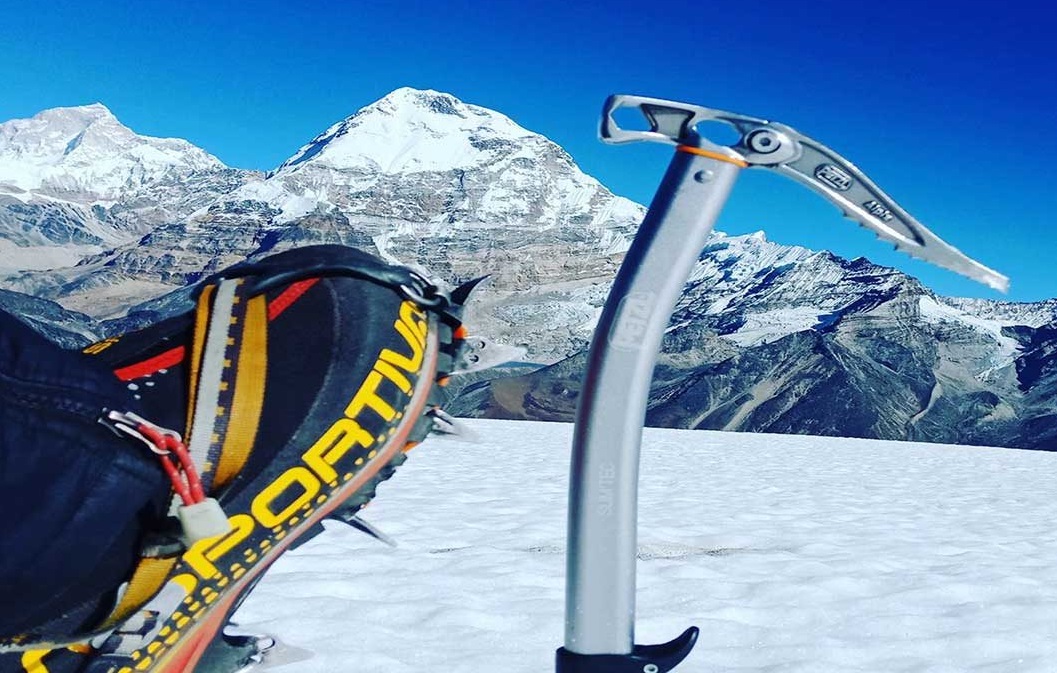
    Your feet are your primary mode of transport on the mountain, so investing in the right pair of mountaineering boots is essential. The ideal boots for Aconcagua are insulated, waterproof, and specifically designed for high-altitude expeditions – often called Double Boots. They should offer excellent support and compatibility with crampons. Make sure to break them in well before your trip to avoid blisters and discomfort. We recommend trying several brands and models to find the perfect fit, as comfort can significantly influence your Aconcagua mountain climbing experience.

    3. Glacier Glasses

    Protecting your eyes from the intense sunlight and reflected UV rays on snow-covered peaks is crucial. Glacier glasses are not just ordinary sunglasses; they are designed to block out a significant amount of light, reducing glare and preventing snow blindness. Look for a model with “Category 4” lenses. This will ensure that they block enough light to fully protect your eyes on a bright cloudless day. Ensure your glasses provide 100% UV protection and feature side shields to block peripheral light. A wrap-around style or those with an elastic band will help keep them secure on your face amidst challenging mountain winds.

    4. Base Layers

    The clothing you wear closest to your skin can dramatically affect your warmth and comfort during the climb. The base layers help regulate your body temperature by wicking moisture away from your skin and retaining heat. Opt for high-quality merino wool or synthetic fibers as cotton absorbs moisture and can lead to a dangerous loss of body heat. Layering is key in managing your body temperature, so consider packing several base layers to accommodate varying conditions as you ascend.

    5. Jacket 

    Perhaps the most critical piece of your clothing ensemble is the jacket. When it comes to the best jacket for mountain climbing, look for an insulated, windproof, and waterproof design. The jacket should be breathable to allow moisture to escape, which is vital in preventing internal condensation and maintaining insulation efficiency. Consider jackets with built-in adjustable features like hood cinches and hem drawstrings to help seal in warmth. A high-quality jacket not only protects you from the harsh winds and freezing temperatures but also boosts your overall energy efficiency by helping maintain optimal body heat.

    Conclusion

    At Aventuras Patagonicas, we are committed to ensuring that all our clients are well-prepared for their Aconcagua adventure. This list covers just some of the mountain climb equipment essential for a safe and enjoyable climb. Remember, selecting the right gear not only contributes to your comfort but is crucial for your safety on the mountain. Invest wisely in these essentials, and you’re already on your way to a successful summit of Aconcagua. For more detailed information on each item, packing tips, and personalized advice, do not hesitate to contact us. We’re here to help you achieve your Aconcagua mountain climbing dreams safely and enjoyably!


  • 10 Reasons to Choose Us for Your Aconcagua Climb

    10 Reasons to Choose Us for Your Aconcagua Climb

    At Aventuras Patagonicas, we pride ourselves on offering unmatched guiding services that make your Aconcagua climb both successful and memorable. Here’s why you should choose us as your partner on this incredible adventure:

    Exceptional Success Rates: 

    Our success rates are among the highest in the industry, a testament to our expert planning and execution. We meticulously analyze weather patterns and individual climber performance to make informed decisions that maximize summit chances. Our guides are trained to adapt quickly to changing conditions, ensuring the best possible outcome for our clients. This strategic approach has consistently resulted in a high percentage of our clients reaching the summit, reflecting our commitment to not just lead expeditions but to lead them to success.

    Experienced and Certified Guides: 

    Many of our guides at Aventuras Patagonicas hold UIAGM/IFMGA certification, the highest standard in the mountaineering industry. With rigorous training in advanced wilderness first aid and rescue operations, our guides bring not only their technical skills but also their profound experience in high-altitude climbing. They are experts in managing the challenges specific to Aconcagua’s unique environment. Each guide is committed to ensuring your safety, offering personalized coaching, and sharing insights that enhance your climbing experience.

    Comprehensive Safety Measures: 

    At Aventuras Patagonicas, your safety is our paramount concern. We invest in the latest technology for weather forecasting and emergency communication, maintaining constant contact with external support teams. Our guides conduct regular health assessments to monitor acclimatization and overall well-being. We also implement a conservative decision-making process that prioritizes your safety above all else, adapting our strategies in real-time to respond to any medical issues or hazardous weather conditions.

    Small Group Sizes: 

    We limit the number of climbers in each group to nine people to ensure personalized attention and greater flexibility in response to individual needs and pace. This approach not only enhances safety by allowing our guides to closely monitor each climber’s condition but also fosters a more intimate group dynamic. Small groups enable us to customize certain aspects of the expedition, making adjustments to better suit the group’s overall fitness and preferences, thereby increasing the chances of everyone reaching the summit.

    High-Quality Equipment: 

    We equip our expeditions with the highest quality gear, designed to withstand the harsh conditions of Aconcagua. From state-of-the-art tents to high-performance cooking systems, every piece of equipment is chosen for its reliability and efficiency. We regularly update and maintain our gear to ensure that everything you use is in optimal condition, so you can focus on the climb without worrying about equipment failures.

    Proven Acclimatization Strategy: 

    Our acclimatization protocol is designed based on scientific principles and refined through decades of guiding experience. By implementing a ‘climb high, sleep low’ regimen, we help your body adjust to the altitude gradually and effectively. This method has proven to significantly decrease the risk of altitude-related complications and improve overall summit success. Our itinerary includes several days specifically set aside for acclimatization, with planned climbs to higher altitudes followed by descents to rest. We also recommend that our clients make use of Hypoxic Tents for our 12 Day Climbs to ensure they arrive pre-acclimatized. 

    Commitment to Environmental Stewardship: 

    We are dedicated to preserving the natural environment of Aconcagua. As part of our commitment, we adhere strictly to Leave No Trace principles, ensuring that we minimize our impact on the mountain. We organize and participate in clean-up treks and advocate for sustainable practices, encouraging all climbers to respect and protect the pristine wilderness of the Andes.

    All-Inclusive Packages: 

    Our packages are designed to provide a hassle-free experience, covering all necessary accommodation, and logistical details. We offer comprehensive support from the moment you arrive in Argentina until you depart, including transport, meals, and equipment. This all-inclusive approach allows you to focus solely on your climb, ensuring you have the energy and spirit to tackle the challenges of an Aconcagua climb.

    Excellent Client Care: 

    We believe in building lasting relationships with our clients through outstanding service. Our team is available to assist you with every aspect of your preparation, from training advice to detailed packing lists. During the expedition, our guides are not only your leaders but also your mentors and supporters, ensuring that your Aconcagua climb experience is as rewarding as it is challenging. If you have any questions, we are never more than a quick message away!

    Veteran Experience and Local Knowledge: 

    With decades of experience on Aconcagua, our team’s deep understanding of the mountain’s logistics and challenges ensures a well-organized expedition. We have established relationships with local support staff and have developed an extensive network that enhances our operational capabilities. This local expertise not only smoothes out logistical complexities but also enriches your climbing experience, providing insights into the cultural and environmental significance of the regions we explore.

    Choosing Aventuras Patagonicas means placing your trust in a team that is committed to delivering a safe, successful, and deeply rewarding climbing experience on Aconcagua. Join us and discover why we are the preferred choice for climbers worldwide.

  • Prioritizing Your Safety To Climb Aconcagua

    Prioritizing Your Safety To Climb Aconcagua

    At Aventuras Patagonicas, we know that the decision to climb Aconcagua can be as daunting as it is thrilling. Often referred to as “the Roof of the Americas,” Aconcagua’s grandeur is matched by its challenges, making it crucial for climbers to prioritize safety. With 40 years of guiding experience on Aconcagua, we pride ourselves on a stellar safety record: zero accidents, zero fatalities, and not even a single case of frostbite—a claim unmatched by any other company on the mountain.

    Understanding the Risks

    Aconcagua is not only the highest mountain outside of Asia but also one of the most underestimated. The climb involves serious altitude exposure, severe weather conditions, and significant physical demands. Each year, the mountain witnesses a range of accidents and, regrettably, fatalities. Reports suggest that there have been an average of 3 fatalities each year due to various causes including altitude sickness, falls, and hypothermia.

    Our Commitment to Safety

    At Aventuras Patagonicas, safety is not just a protocol—it’s our ethos. Here are the robust safety measures and equipment we use to ensure you have the safest experience possible:

    High-Quality Safety Equipment:

    • Pulse Oximeters: We regularly monitor your blood oxygen levels to assess how well you are acclimatizing and to prevent altitude-related illnesses.
    • Gamow Bags: These portable hyperbaric chambers are crucial for treating severe altitude sickness. They can simulate a descent of up to 2,000 meters, providing immediate relief from altitude sickness symptoms.
    • Satellite Phones: In the event of an emergency, these phones ensure that we can communicate with our base camp and coordinate a rescue operation quickly.
    • Medical Kits: Fully stocked with supplies to address a variety of medical issues that can occur on the mountain.

    Experienced and Trained Guides:

    Our guides are not only experienced climbers but also trained in wilderness first aid and crisis management. They undergo rigorous training to handle emergencies and are equipped to make critical decisions that prioritize your safety.

    Choosing the Right Guide Service

    Climbing Aconcagua is a significant financial commitment, but the cost should not come at the expense of safety. A little know but highly important fact is that there are no mandatory guiding standards on Aconcagua. This means anyone, even without critical mountain training and experience, can offer to guide clients to climb Aconcagua, often undercutting on price companies with highly trained and experienced guides. As the saying goes: if it looks too good to be true, it probably is! It’s vital to choose a guide service that refuses to compromise on safety. For 40 years, Aventuras Patagonicas has set the benchmark for safety and professionalism on Aconcagua. We understand that investing in high-quality equipment and hiring experienced guides comes at a price, but we believe that clients will recognize the importance of their safety and well-being.

    Research Companies Before You Commit to a Climb:

    We encourage all potential climbers to thoroughly research their chosen guiding company. Take the time to look for customer reviews, and look for news reports of any accidents or fatalities linked to particular companies. When comparing services, consider their safety protocols, guide qualifications, and track records. It’s important to understand that lower costs often mean corners have been cut, particularly with safety measures and guide experience.

    Why Safety Matters

    The difference in outcomes between a safe climb and a hazardous one can be life-changing. The mountain does not discriminate based on a climber’s enthusiasm or budget, but your level of preparation and precaution is within your control. Every year, newer companies on Aconcagua report multiple fatalities, often due to inadequate preparation or poor decision-making in critical situations. At Aventuras Patagonicas, our unblemished safety record speaks volumes about our commitment and capability.

    Summit Aconcagua Safely with Us

    If you are considering the challenge to summit Aconcagua, choose a partner that prioritizes your safety as much as the summit itself. Aventuras Patagonicas has been guiding climbers safely for over four decades, and our expertise and safety-focused approach ensure the best possible experience on the mountain.

    While the allure of conquering Aconcagua is undeniable, the risks associated with such an expedition demand serious consideration and preparation. With Aventuras Patagonicas, you are choosing a guide service that values your safety above all. Climb with us, and experience the thrill of Aconcagua with the peace of mind that comes from knowing you are in the safest hands. Any questions? Reach out us!